Emotions have a way of building up quietly. A stressful week, an unspoken worry, or a season of change can leave the mind feeling tangled and the body tense. When talking it out or pushing through does not seem to help, many people look for a gentler way to reset, and this is where Reiki has found a devoted following. Interest in Reiki healing in Bangalore and other Indian cities has grown as more people seek calm, natural ways to feel steady again. It is a soft, non-invasive practice that encourages deep relaxation and emotional release, offering a quiet space to breathe when life feels heavy.
This blog explains how Reiki supports emotional balance, what a session feels like, and how you can experience or even learn this soothing practice for yourself.
What Is Reiki, And How Does It Work?
Reiki is a gentle energy healing practice that uses light touch to encourage relaxation and a sense of balance in the body and mind. It was developed in early twentieth-century Japan by Dr. Mikao Usui and is now practised around the world as a calming well-being therapy.
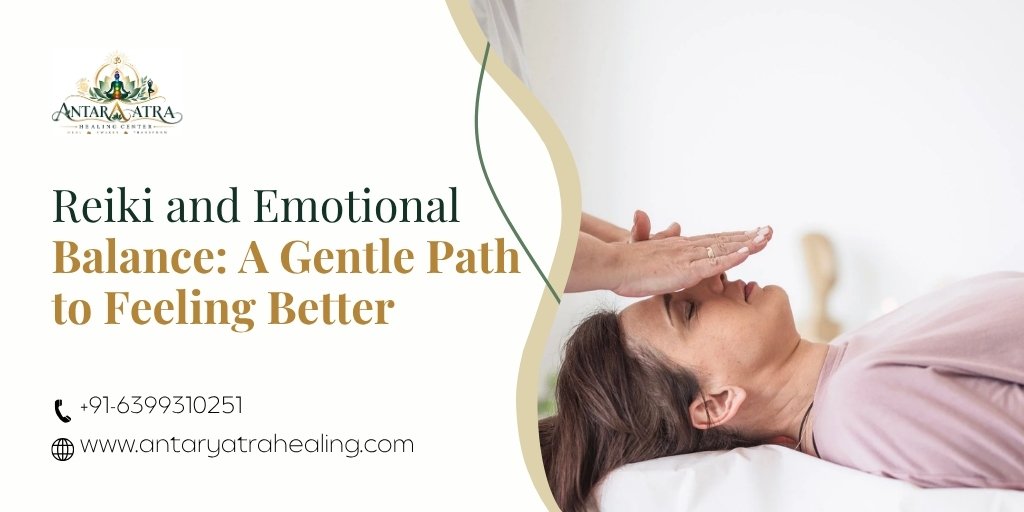
The idea behind Reiki is simple. The body carries a natural life-force energy, and when that energy flows freely, we tend to feel more relaxed and at ease. A practitioner uses gentle hand positions, either resting lightly on the body or hovering just above it, to encourage that flow and invite deep rest.
From a well-being point of view, the clearest thing it does is calm the nervous system. It helps shift the body out of its stressed, alert state and into a restful one where breathing slows and muscles soften. That calm is the foundation on which emotional balance is built. It is worth being clear that Reiki is a supportive, complementary practice, not a medical treatment, and it works best alongside a healthy lifestyle and professional care when needed.
How Does Reiki Support Emotional Balance?
Reiki supports emotional balance mainly by easing stress and creating space for the mind to settle. When your nervous system relaxes, tangled emotions often loosen their grip and become easier to sit with and process.
Think of your emotions like water. When stress keeps stirring the surface, everything feels choppy and unclear. It helps the water grow still, and in that stillness, feelings that once felt overwhelming can settle into something calmer and more manageable. People who try it often describe leaving a session feeling lighter, as though they have set down a weight they had been carrying without realizing it.
This does not mean difficult emotions vanish. It does not erase feelings, and it is not a cure for emotional or mental health conditions. What it offers is a gentle reset, a pocket of peace that helps you meet your emotions from a steadier, more grounded place.
What Emotional Benefits Can Reiki Offer?
People turn to Reiki for a range of emotional benefits, most of which flow from its deeply relaxing nature. Commonly reported experiences include:
- Reduced stress and tension: By calming the stress response, Reiki can ease the mental and physical tightness that builds up during hard times.
- A sense of emotional release: Many people feel a wave of relief during or after a session, sometimes with quiet tears that leave them feeling unburdened.
- Better sleep: Because relaxation is central to the practice, improved rest is one of the most common benefits, and good sleep steadies mood.
- Greater clarity and focus: A calmer mind often thinks more clearly, making everyday worries feel less overwhelming.
- A feeling of being grounded: Reiki encourages presence and stillness, helping you reconnect with yourself when you feel scattered.
Together, these effects can help build a steadier emotional baseline over time, especially when it becomes a regular part of your self-care.
What Happens During a Reiki Session?
A Reiki session is calm, simple, and deeply relaxing, much like a guided meditation or a peaceful nap. You stay fully clothed and either lie down or sit comfortably while the practitioner works.
Sensations differ from person to person. Some feel gentle warmth or a soft tingling where the practitioner’s hands rest, others notice a pleasant heaviness as the body relaxes, and many simply drift into a restful, dreamy state. It is also perfectly normal to feel very little during the session yet notice a lighter, brighter mood in the hours that follow.
There is no pressure to feel anything in particular. The practice is gentle by nature, and its main purpose is to create a safe, quiet space where your mind and body can let go. For anyone who finds it hard to switch off, that protected time of stillness can be valuable all on its own.
How Often Should You Have Reiki for Emotional Wellbeing?
How often you have Reiki depends on your needs and goals. Some people book a single session when they feel especially stressed, while others prefer regular sessions to maintain a sense of balance over time.
As a general guide, a session every few weeks can help sustain emotional wellbeing, much like regular exercise or meditation keeps you feeling your best. During particularly demanding periods, some choose weekly sessions for extra support. If you are new to Reiki, starting with a few sessions spaced a week or two apart is a gentle way to notice how it affects you.
The key is consistency rather than intensity. Reiki tends to work best as an ongoing part of your self-care routine, not a one-time fix. Listen to how you feel and adjust the rhythm to suit your life.
Can You Learn Reiki to Heal Yourself?
Yes, you can learn Reiki yourself, and self-healing is one of the most valued parts of the practice. Learning it gives you a calming tool you can use anytime, without needing to book a session.
Reiki training usually progresses through levels. The first level focuses on self-healing and foundational techniques; later levels expand your ability to support others, and advanced levels lead toward teaching. Reputable providers offer proper attunements, clear course materials, small class sizes for personal guidance, and certification at each stage. Flexible online formats now make it easy to learn from home, whether you live in Delhi, Mumbai, Bangalore, or beyond.
When choosing a course, look for experienced teachers, a transparent syllabus, and an honest approach that presents Reiki as a well-being practice rather than a miracle cure. That kind of clarity is the mark of a trustworthy centre.
A Calmer You Awaits: Taking Your First Gentle Step
Emotional balance is not about never feeling stress or sadness. It is about having a steady center to return to when life shakes you, and gentle practices like Reiki can help you build exactly that. By quieting the stress response, easing emotional heaviness, and offering a safe space to rest simply, Reiki becomes a soothing companion on the path to feeling better. Approached honestly and, where needed, alongside professional support, it can help you meet your emotions with more calm and compassion.
If you are ready to explore this gentle path with a guide you can trust, Antaryatra Healing Center is a leading choice for Reiki healing in Delhi, and authentic holistic training across India. With experienced teachers, genuine Reiki courses, small personalized batches, and flexible online learning, Antaryatra helps you find calm, care for your own wellbeing, and even learn to support others.
Take that first gentle step today. Book a free demo, speak with a caring practitioner, and begin your journey toward inner peace and lasting emotional balance.
Frequently Asked Questions
- What is Reiki used for?
Reiki is used to encourage deep relaxation, reduce stress, and support emotional balance. Many people turn to it for a sense of calm, better sleep, and emotional release. It is a gentle, complementary wellbeing practice rather than a medical treatment, and it works best alongside a healthy lifestyle and professional care where needed.
- Can Reiki help with emotional stress and overwhelm?
Yes, many people find it helpful for easing stress and emotional overwhelm. By calming the nervous system, it creates space for tangled feelings to settle, often leaving you feeling lighter and more grounded. It does not erase emotions, but it can help you meet them from a steadier, calmer place.
- Is Reiki safe for everyone?
It is a gentle, non-invasive practice that is generally considered safe for most people. You remain fully clothed and simply relax. Because it has no known harmful side effects, many people use it comfortably alongside conventional care, though you should always continue following any medical advice you have been given.
- What does a Reiki session feel like?
Most people find a Reiki session deeply relaxing, similar to a guided meditation. You may feel gentle warmth, soft tingling, or a pleasant heaviness as your body relaxes. Some experience an emotional release, while others simply notice a lighter mood afterwards. There is no right or wrong way to feel it.
- How many Reiki sessions will I need to feel a difference?
This varies from person to person. Some notice a sense of calm after just one session, while others prefer regular sessions to build lasting emotional balance. For ongoing wellbeing, a consistent rhythm, such as a session every few weeks, tends to work better than a single visit.
- Can I learn Reiki online, and where can I start?
Yes. Many people learn Reiki through structured courses that begin with self-healing and progress to advanced and teacher levels. Look for Reiki healing courses in Delhi, Mumbai, or Bangalore, or flexible online programmes with experienced teachers, clear syllabi, small class sizes, and certification. Learning it gives you a self-care tool for life.
- Is Reiki a replacement for therapy or medication?
No. It is a complementary practice, not a substitute for therapy, counselling, or prescribed medication. If you are dealing with a mental health condition, continue working with your healthcare provider. Reiki can sit alongside that support to help you feel calmer, but it should never delay or replace proper treatment.
- I feel emotionally drained and can’t relax. How can Reiki help?
If your mind never seems to slow down, It offers a protected space to rest and reset. By calming the stress response, it can ease mental overload, support better sleep, and help you feel more grounded. Pairing regular sessions with meditation, and professional guidance where needed often brings the steadiest results.