What if relaxation did not always begin with silence? Sometimes, a gentle sound can give the mind something simple to focus on when thoughts feel scattered and everyday life feels overwhelming. From the soft resonance of singing bowls to the deeper tones of gongs, sound-based practices can create a calm environment for slowing down and becoming more present.
Sound healing therapy is one such practice that people explore as part of a broader wellness routine. It is often experienced in a peaceful setting where a practitioner uses different sounds and instruments while participants sit or lie comfortably. Research into singing bowl interventions has reported promising findings related to anxiety, mood, sleep, and psychological well-being, although more high-quality research is still needed.
What Is Sound Healing Therapy?
Sound healing is a complementary wellness practice that uses intentional sound, rhythm, and vibration to create a relaxing and mindful experience. Depending on the practitioner, a session may include singing bowls, gongs, chimes, tuning forks, or the human voice.
The purpose is not simply to listen to music. Participants are encouraged to notice sounds, breathing, sensations, and thoughts as they arise. This focused attention can make the experience similar to certain forms of meditation.
A session may include:
- Tibetan or Himalayan singing bowls
- Crystal singing bowls
- Gongs
- Tuning forks
- Chimes
- Gentle chanting or guided meditation
How Does Sound Healing Work?
Sound naturally captures attention. When you hear a particular tone or repeated pattern, your mind may begin focusing on that experience instead of moving from one thought to another. This can be useful during relaxation practices because you have something simple to notice rather than trying to force the mind to become empty.
Singing bowls create sound through vibrations produced when they are struck or played around the rim. From a wellness perspective, a session may combine several elements:
- Focused attention: Listening gives the mind an anchor.
- Comfortable breathing: A quiet environment may encourage a calmer breathing rhythm.
- Reduced stimulation: Participants can spend time away from everyday distractions.
- Mindful awareness: The experience provides an opportunity to notice thoughts and sensations.
- Quiet rest: Sitting or lying comfortably allows the body to pause from normal activity.
A 2025 systematic review examined clinical studies involving singing bowls and reported potential benefits in areas such as anxiety, depression, sleep quality, and psychological well-being. However, the researchers also noted differences in study quality and called for more rigorous research.
These findings are encouraging, but they do not mean sound healing produces the same result for everyone.
What Instruments Are Used in Sound Healing?
The instruments used during a session can influence the overall experience. Each creates a different combination of tone, rhythm, resonance, and intensity.
- Singing Bowls
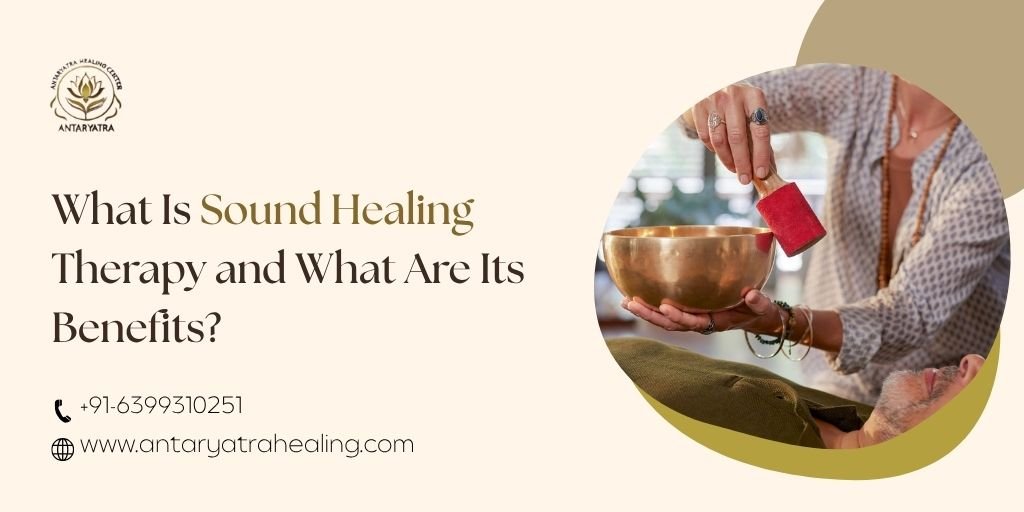
- Singing bowls are among the most recognizable tools used in sound-based wellness practices. A practitioner may strike a bowl gently or use a mallet around its rim to create a sustained sound. For many participants, the slowly changing tone provides a simple point of attention during relaxation or meditation.
- Gongs
- Gongs can produce deeper and more expansive tones. Their sound can change in intensity and character depending on how they are played. Because of their broad range, they are often used to create an immersive listening experience.
- Tuning Forks
- Tuning forks produce specific tones when activated. Some practitioners incorporate them into individual sessions as part of a broader sound-based approach. The method can differ considerably between practitioners, so it is useful to ask how a particular session is structured before booking.
- Chimes and Vocal Sounds
- Chimes can introduce lighter tones, while humming, chanting, or other vocal sounds may be included in some approaches. These elements can be combined with breathing, meditation, or periods of silence to create a more complete relaxation experience.
What Are the Potential Benefits of Sound Healing?
People explore sound healing for different reasons. Some want time to slow down after a demanding day, while others want to add a mindful practice to an existing wellness routine.
The potential benefits should be understood as areas that may be supported, not guaranteed outcomes.
- May Encourage Relaxation
- A sound-based session provides dedicated time away from daily responsibilities. Focusing on gentle sounds and comfortable breathing can create a calmer environment.
- May Support Stress Management
- Research involving singing bowls has reported improvements in anxiety and some measures related to psychological well-being. The evidence is promising, but researchers continue to call for stronger studies.
- May Support Mindful Awareness
- Listening carefully to changing sounds can give the mind a simple focus. This may appeal to people who find silent meditation difficult or prefer a more sensory approach.
- May Support Restful Sleep
- Some studies have reported improvements in sleep-related outcomes following singing bowl interventions. However, sound healing should not be treated as a standalone treatment for sleep disorders.
- May Promote Emotional Well-Being
- A quiet, guided experience can provide space for reflection and awareness. People may respond differently, so there is no need to expect a specific emotional outcome.
What Happens During a Sound Healing Session?
For a first-time participant, knowing what to expect can make the experience more comfortable. In most settings, you are invited to sit or lie down while the practitioner creates a sequence of sounds.
A session may include:
- Settling into a comfortable position
- A short introduction or intention-setting exercise
- Gentle breathing or guided relaxation
- Sounds created with bowls, gongs, chimes, or other instruments
- A quiet period for observation
- A gradual closing
You do not need previous meditation experience. Some people may feel deeply relaxed, while others may notice changing thoughts, emotions, or physical sensations. There is no single response that everyone should expect.
The purpose is not to force a particular reaction. It is to create space where you can slow down and pay attention to your experience.
How to Choose Sound Healing Therapy Near You?
If you are searching for sound healing therapy near you, location is only one part of the decision. The practitioner’s experience, session format, environment, and approach also matter.
Before booking, consider asking:
- What training or experience does the practitioner have?
- Which instruments are used?
- Is the session individual or in a group?
- How long does it usually last?
- What should I expect during the session?
- Can the experience be modified for sensitivity?
- Is the practice intended for relaxation and wellness?
A responsible practitioner should explain the process clearly without promising guaranteed health outcomes.
You can also ask whether an introductory session is available. This can be useful if you have never experienced singing bowls, gongs, or other sound-based practices before.
Your Journey to Relaxation Starts with the Right Sound Healing Therapy!
For people living in the capital, Sound Healing Therapy in Delhi can be an accessible way to explore this type of mindful wellness practice.
When choosing a centre, look beyond attractive claims. Consider the practitioner’s background, the setting, the type of sessions offered, and whether the approach feels appropriate for your needs.
Antaryatra Healing includes sound healing therapy among its holistic wellness services. Its approach includes singing bowls, mantras, and sound frequencies, alongside other practices such as meditation, yoga, Reiki, chakra balancing, and crystal healing.
This broader approach can suit people who want to explore different ways of supporting relaxation and self-awareness rather than relying on a single practice.
Is Sound Healing a Replacement for Medical Treatment?
No. Sound healing should not replace medical care, psychotherapy, medication, or other appropriate treatment.
If you are experiencing persistent anxiety, depression, sleep problems, pain, or another health concern, speak with a qualified healthcare professional.
Current research is promising but still developing. The available evidence does not justify presenting sound healing as a cure for medical conditions.
For this reason, it is best approached as one part of a broader wellness routine rather than a substitute for professional healthcare.
After a Session: What Might You Notice?
The experience does not necessarily end when the sounds stop. Some participants may want a few quiet minutes before returning to their normal routine. You might notice calmness, greater awareness of your breathing, or simply the feeling of having taken time away from daily distractions.
There is no need to look for a dramatic result. A simple sense of rest or mental space can be a meaningful outcome. Giving yourself a little quiet time afterward may also help you reflect on the experience.
Before choosing a session, consider:
- Whether you prefer a group or individual experience
- Which instruments will be used
- Whether meditation or breathwork is included
- How long the session lasts
A Gentle Way to Pause and Reconnect
Modern life can leave little room for quiet reflection. A sound-based wellness session offers a simple opportunity to pause, listen, and notice the present moment.
Not everyone will experience it in the same way, and that is part of the process. Its value may come from creating dedicated time for relaxation, reflection, and mindful attention.
If you are looking for Sound Healing Therapy in Delhi, exploring a session with an experienced practitioner can help you decide whether this approach fits your wellness routine. Antaryatra Healing provides sound-based wellness experiences alongside other holistic practices.
The goal does not have to be a dramatic transformation. Sometimes, giving yourself permission to slow down and listen can be a meaningful place to begin.
Frequently Asked Questions
- What does sound healing feel like?
People may experience relaxation, calmness, focused attention, or different physical and emotional sensations. Responses vary from person to person.
- How long does a sound healing session last?
The duration depends on the practitioner and format. Ask the centre about the expected session length before booking.
- Can beginners try sound healing?
Yes. Previous experience with meditation or sound-based practices is generally not required for an introductory session.
- Is sound healing the same as meditation?
Not exactly. Sound healing may incorporate meditation or mindful listening, but the practices are not identical.
- How often should I attend sound healing sessions?
There is no universal schedule. Frequency can depend on your preferences, availability, and response to the practice.